
What is the impact of shading device size on daylight performance and solar radiation control?
Project Location: Zone 0A Extremely Hot Humid
Simulation Scale: Whole Building
Application: Real Project
Audience: Architect/Designer
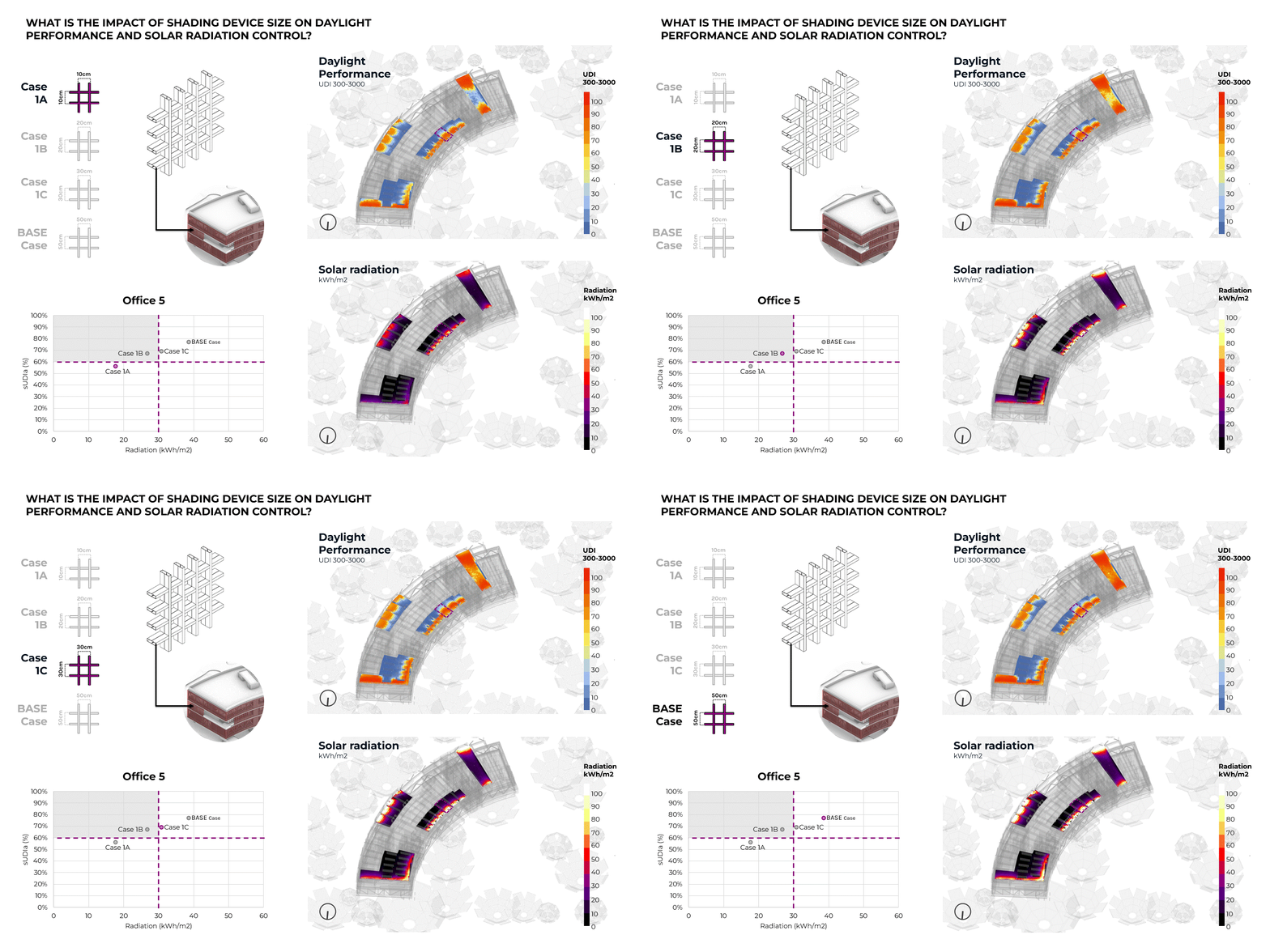
What is this graphic showing? Describe the different parts of the graphic and how it communicates the data.
The graphic shows the impact of shading device size on daylight performance (UDI 300–3000) and solar radiation in a curved office building. It includes 3D models of the shading cases, simulation maps overlaid on the architectural plan, and a comparative chart linking useful daylight and solar gains in a specific office. The combination of spatial visualization, color scales, and numerical synthesis allows for a clear understanding of environmental performance across different configurations.
What type of graphic is this?
- Animated gif
Design Variables
- Passive strategies
- Window shading/sun control
What tools were used for the simulation analysis?
- Ladybug Tools
What tools did you use to create the graphic?
- Excel
- PowerPoint
What was successful and/or unique about the graphic in how it communicates information?
The graphic it integrates environmental simulations directly onto the architectural plan, enabling an intuitive spatial reading of performance. It combines various visual formats—3D models, color-coded maps, and a scatter plot—that clearly summarize key relationships between variables, making comparisons quick and design decisions well-informed. Its clear visual hierarchy and
Is there anything else you would like to mention?
Included in the competition:

2025 Annual Project StaSIO Challenge - Deadline May 27th, 2025
March 20, 2025-June 5, 2025